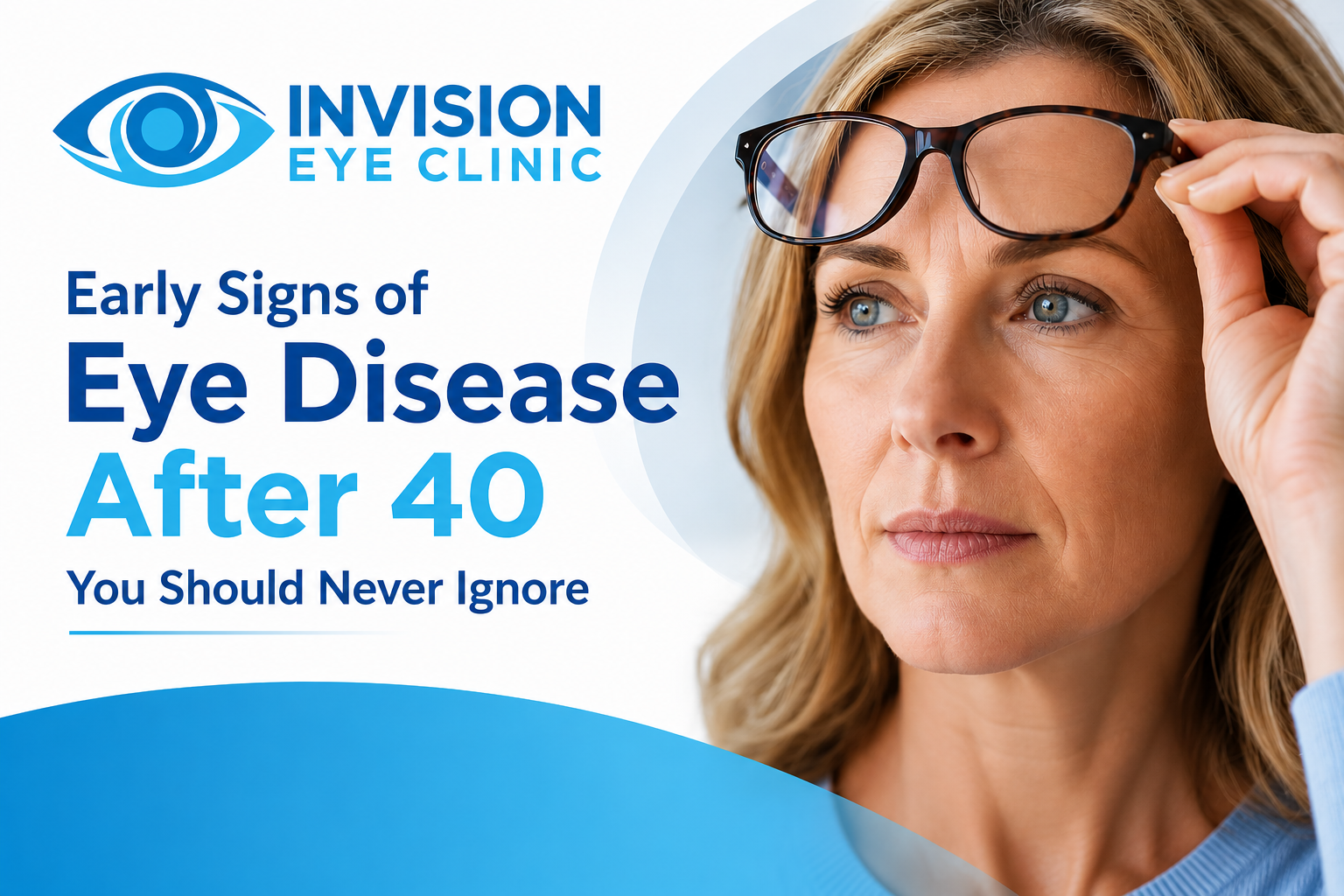
As people move into their forties, changes in vision often become more noticeable. Many adults begin to experience difficulty reading small print, eye strain while using digital screens, or trouble adjusting between bright and dim lighting. While some of these changes are a normal part of aging, others may point to the early stages of eye disease. Recognizing these symptoms early can make a significant difference in protecting long-term vision and overall eye health.
In Canada, eye diseases such as glaucoma, cataracts, diabetic retinopathy, and age-related macular degeneration affect thousands of adults every year. Many of these conditions develop gradually and without pain, which makes them difficult to detect without regular eye examinations. By understanding the warning signs and knowing when to seek professional care, adults over 40 can take proactive steps to preserve healthy vision.
Why Eye Health Is More Important After 40
After the age of 40, the eyes naturally undergo structural and functional changes. The lens becomes less flexible, tear production may decrease, and the risk of age-related eye conditions starts to rise. These changes can impact daily activities such as driving at night, reading, working on computers, and recognizing faces clearly from a distance.
Many eye diseases progress slowly in the early stages and may not cause immediate discomfort. This is why comprehensive eye exams become increasingly important during middle age. Detecting problems before vision loss occurs often allows for better treatment outcomes and slower disease progression.
According to the Canadian Ophthalmological Society, regular eye examinations play a critical role in identifying diseases before noticeable symptoms appear. Early diagnosis can help prevent permanent vision damage and improve the quality of life for aging adults.
Blurred Vision That Does Not Improve
Occasional blurry vision can result from fatigue or extended screen use, but persistent blurry vision should never be ignored. Adults who notice ongoing difficulty focusing may be experiencing more than a routine vision change. Blurred vision can be linked to cataracts, diabetic eye disease, glaucoma, or macular degeneration.
In the early stages, blurry vision may seem mild and inconsistent. Some people notice it only while driving at night or reading small text. Over time, however, the problem may worsen and interfere with work, hobbies, and daily activities.
If blurry vision persists even after resting the eyes or updating prescription glasses, scheduling a comprehensive eye examination becomes essential. An eye care professional can determine whether the issue is related to refractive changes or an underlying disease affecting eye health.
Increased Sensitivity to Light and Glare
Light sensitivity often becomes more common with age, but extreme discomfort around bright lights or glare may indicate developing eye problems. Cataracts, in particular, frequently cause increased glare sensitivity, especially during nighttime driving.
Many Canadians over 40 report difficulty seeing clearly when exposed to headlights, sunlight, or reflective surfaces. They may also notice halos around lights or reduced contrast sensitivity. These symptoms can significantly affect safety on the road and make everyday activities uncomfortable.
While light sensitivity can have several causes, it is important not to dismiss persistent symptoms as simple aging. An eye doctor can assess whether cataracts or another eye condition is contributing to the issue.
Difficulty Seeing at Night
Poor night vision is one of the earliest signs associated with several age-related eye conditions. Individuals may struggle to drive confidently after dark or feel uncomfortable in dimly lit spaces. This symptom can be linked to cataracts, retinal disorders, or vitamin deficiencies affecting eye function.
As cataracts develop, the eye lens becomes cloudier, reducing the amount of light reaching the retina. This often causes problems with night driving and makes it harder to recognize road signs or pedestrians clearly.
Adults over 40 who experience worsening night vision should not wait until symptoms become severe. Early diagnosis allows eye care providers to monitor progression and recommend the most effective treatment options.
Frequent Headaches and Eye Strain
Headaches and eye fatigue are often associated with digital screen use, but they can also indicate vision problems or early eye disease. Many adults begin experiencing more strain while reading, working, or switching focus between near and distant objects.
Uncorrected vision issues force the eye muscles to work harder, leading to tension and discomfort. In some cases, increased eye pressure related to glaucoma may also contribute to headaches.
When headaches occur regularly alongside blurred vision, eye discomfort, or difficulty focusing, a professional eye examination is recommended. Identifying the root cause early can help prevent worsening symptoms and support long-term eye health.
Sudden Appearance of Floaters or Flashes
Floaters are tiny specks or cobweb-like shapes that drift across the field of vision. While some floaters are harmless and common with aging, a sudden increase in floaters or flashes of light should always be treated seriously.
These symptoms may indicate retinal tears or retinal detachment, which require immediate medical attention. Retinal problems can lead to permanent vision loss if not treated quickly.
Many adults over 40 experience changes in the vitreous gel inside the eye, making floaters more common with age. However, any sudden or dramatic visual changes should be evaluated promptly by an eye care professional.
Loss of Peripheral Vision
Peripheral vision refers to the ability to see objects outside the direct line of sight. Gradual loss of side vision is often associated with glaucoma, one of the leading causes of irreversible blindness worldwide.
Glaucoma is sometimes called the “silent thief of sight” because it can progress without noticeable pain or symptoms during the early stages. By the time vision loss becomes obvious, permanent damage may already have occurred.
Adults over 40 face a higher risk of developing glaucoma, especially if they have a family history of the condition, diabetes, high blood pressure, or elevated eye pressure. Routine eye exams that include pressure testing and optic nerve evaluation are essential for early detection.
Changes in Colour Perception
Some eye diseases affect the ability to distinguish colours accurately. Individuals may notice that colours appear faded, dull, or yellowed over time. Cataracts commonly cause this symptom because the eye lens gradually becomes cloudy and discoloured.
Changes in colour perception can interfere with daily activities such as reading traffic signals, choosing clothing, or recognizing visual details. Although this symptom often develops gradually, it should still be evaluated during an eye examination.
Identifying cataracts early allows eye care professionals to monitor progression and recommend treatment when vision impairment begins affecting quality of life.
Dry Eyes and Persistent Irritation
Dry eye syndrome becomes increasingly common after 40, especially among women and individuals who spend long hours using digital devices. Symptoms often include burning sensations, redness, irritation, watery eyes, and fluctuating vision.
While dry eyes may not always indicate serious disease, chronic symptoms can affect comfort and visual clarity significantly. Environmental factors, hormonal changes, medications, and underlying health conditions may all contribute to dry eye problems.
A professional eye assessment can help determine the cause of persistent irritation and guide treatment options such as lubricating eye drops, lifestyle adjustments, or specialized therapies.
Difficulty Reading Small Print
One of the most familiar vision changes after 40 is presbyopia, an age-related condition that makes it harder to focus on close objects. People may begin holding books farther away, increasing screen font sizes, or needing brighter light while reading.
Although presbyopia itself is a natural part of aging, sudden or severe reading difficulties may also signal cataracts or retinal conditions. It is important to distinguish between routine age-related changes and signs of more serious eye disease.
Regular eye exams help ensure that reading difficulties are properly assessed and corrected before they interfere with daily life or productivity.
Diabetes and Eye Disease Risk After 40
Adults with diabetes face a significantly higher risk of developing diabetic retinopathy, a condition that damages the blood vessels in the retina. High blood sugar levels can gradually affect vision without obvious symptoms during the early stages.
Common warning signs include blurred vision, dark spots, fluctuating vision, and difficulty seeing at night. Because diabetic eye disease can progress silently, annual dilated eye exams are strongly recommended for Canadians living with diabetes.
According to the Government of Canada, diabetic retinopathy remains one of the leading causes of preventable vision loss among working-age adults. Early monitoring and blood sugar management play a major role in reducing complications.
Age-Related Macular Degeneration(AMD) Warning Signs
Age-related macular degeneration, often called AMD, affects the central portion of the retina responsible for detailed vision. This condition becomes more common after the age of 50 but may begin developing earlier in some individuals.
Early symptoms include distorted lines, blurry central vision, trouble recognizing faces, and difficulty reading even with corrective lenses. Smokers, individuals with high blood pressure, and people with a family history of AMD may face higher risks.
Importance of Regular Eye Exams After 40
Many serious eye diseases develop gradually and without pain, which is why routine eye examinations are essential after the age of 40. Comprehensive eye exams do more than assess visual clarity. They also evaluate the retina, optic nerve, eye pressure, blood vessels, and overall eye health.
Early detection provides the opportunity to begin treatment before permanent damage occurs. Conditions such as glaucoma and diabetic retinopathy may show few noticeable symptoms during the beginning stages, making preventive care especially important.
For Canadian adults balancing work, family responsibilities, and screen-heavy lifestyles, prioritizing regular eye care can help maintain healthy vision for years to come.
Lifestyle Habits That Support Healthy Vision
Protecting eye health involves more than scheduling eye exams. Daily habits also influence long-term vision quality and disease prevention. Eating nutrient-rich foods, managing blood sugar levels, staying physically active, and avoiding smoking all contribute to healthier eyes.
Wearing sunglasses with ultraviolet protection helps shield the eyes from sun damage, while taking breaks from digital screens can reduce eye strain and dryness. Maintaining healthy blood pressure and cholesterol levels also supports proper blood flow to the eyes.
Simple preventive measures combined with routine professional care can significantly lower the risk of serious vision complications later in life.
When to Schedule an Eye Examination
Adults over 40 should not wait for severe symptoms before visiting an eye clinic. Even subtle changes in vision can signal underlying problems that require medical attention. Scheduling regular comprehensive eye exams allows for early diagnosis, personalized treatment, and ongoing monitoring of eye health.
If you are noticing changes in your vision or it has been several years since your last eye exam, our team at Invision Eye Clinic can help you stay ahead of potential eye health concerns. From comprehensive eye examinations to personalized treatment plans, regular visits can play an important role in protecting your vision and maintaining long-term eye health.
Trusted Eye Care in Oakville
At Invision Eye Clinic, we are committed to providing comprehensive eye care in Oakville using advanced diagnostic technology. We provide personalized eye care services for patients of all ages. From monitoring cataract progression to co-managing diabetic eye disease, our experienced eye care team is here to support your long-term vision and overall eye health.
We take the time to explain every finding clearly, answer your questions, and guide you through the next steps with confidence. Whether you are experiencing changes in your eyesight or scheduling a routine eye exam, our Oakville eye clinic is dedicated to helping you make informed decisions about your vision care.
Conclusion
Eye diseases often develop quietly, especially after the age of 40. Symptoms such as blurred vision, glare sensitivity, dry eyes, and night vision problems may appear gradually and seem harmless at first. However, these changes can also signal conditions such as glaucoma, cataracts, diabetic retinopathy, or macular degeneration.
For Canadians entering middle age, regular eye examinations remain one of the most effective ways to protect vision and maintain long-term eye health. Early detection allows for timely treatment, improved outcomes, and greater peace of mind. Paying attention to small vision changes today can help preserve healthy eyesight for the future.

At Invision Eye Clinic, we believe everyone deserves clear, comfortable vision. Our team of experienced optometrists is dedicated to providing personalized eye care using state-of-the-art technology and a patient-first approach.