
Diabetic Eye Exam in Oakville
Protect Your Vision With Regular Diabetic Eye Care
Diabetes can affect more than your blood sugar. Over time, changes associated with diabetes can affect the small blood vessels in the eyes and increase the risk of conditions that may threaten your vision.
One of the most important conditions to monitor is diabetic retinopathy. It can develop gradually and may not cause noticeable symptoms in its early stages. Regular diabetic eye examinations give your optometrist an opportunity to look closely at the retina and identify changes before they begin to significantly affect your vision.
At InVision Eye Clinic in Oakville, we provide comprehensive eye examinations for patients living with diabetes, with a focus on early detection, personalized monitoring and protecting your long-term eye health.
Our clinic offers retinal photography, Optical Coherence Tomography (OCT) and the addition of OCT angiography (OCT-A). When clinically appropriate, these complementary technologies help us assess both the structure of your retina and its delicate blood vessel network, giving you a more detailed picture of how diabetes may be affecting your eyes.
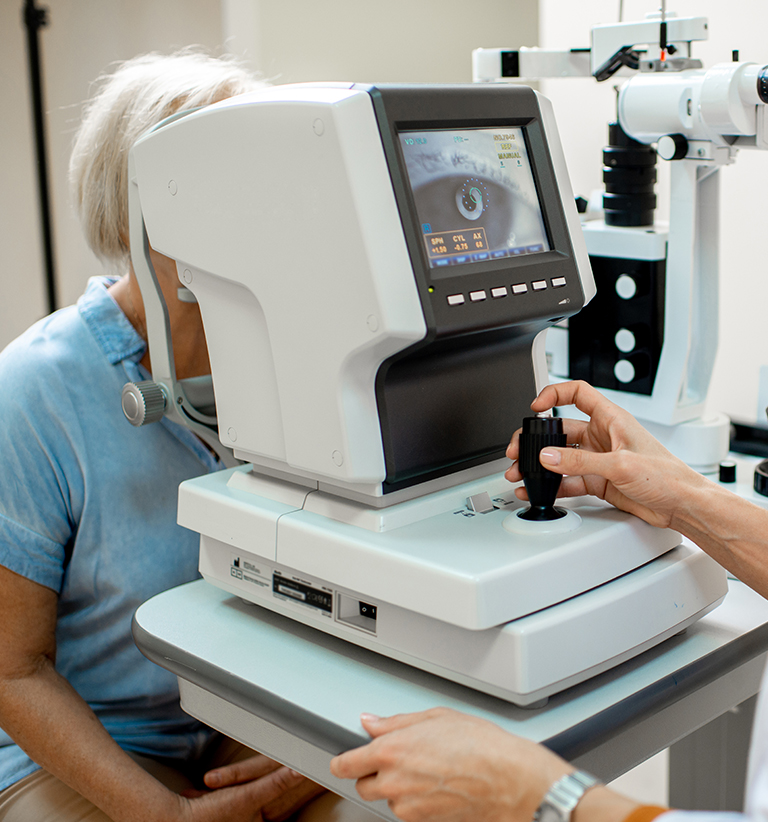
Why Do People With Diabetes Need Regular Eye Exams?
High blood sugar levels over time can damage blood vessels throughout the body.
The retina is the light-sensitive tissue at the back of the eye that plays an essential role in vision. When diabetes affects the retinal blood vessels, changes can develop that may eventually affect sight.
Regular diabetic eye exams are important because diabetic eye disease does not cause pain, blurred vision or other obvious symptoms in its early stages. You may feel that your vision is perfectly normal while changes are already occurring inside the eye.
For many people living with diabetes, a retinal eye examination at least once a year is an important part of ongoing care. Your optometrist will recommend timing based on your individual circumstances.
Diabetes Can Affect More Than the Retina
Living with diabetes can increase the risk eye conditions in addition to diabetic retinopathy and DME.
Cataracts
A cataract develops when the eye’s natural lens becomes cloudy. People with diabetes may have an increased risk of developing cataracts and may develop them at a younger age.
Glaucoma
Diabetes is also associated with an increased risk of glaucoma. Glaucoma can damage the optic nerve and may progress without noticeable symptoms in its early stages.
What Happens During a Diabetic Eye Exam?
A diabetic eye examination is a comprehensive assessment designed to evaluate both your vision and the health of your eyes.
Depending on your individual needs, your examination may include:
- Visual Acuity Testing – This checks how clearly you can see at different distances and helps identify changes in your vision.
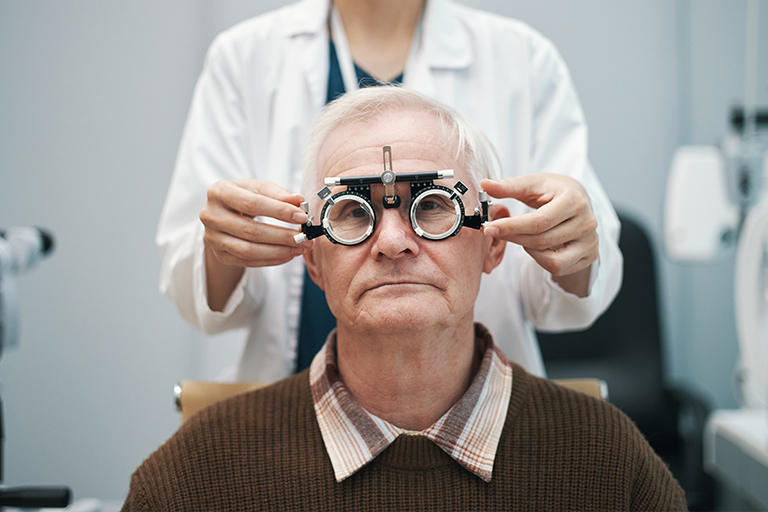
- Refraction – If you wear glasses or contact lenses, your prescription can be assessed to determine whether your vision correction needs have changed.
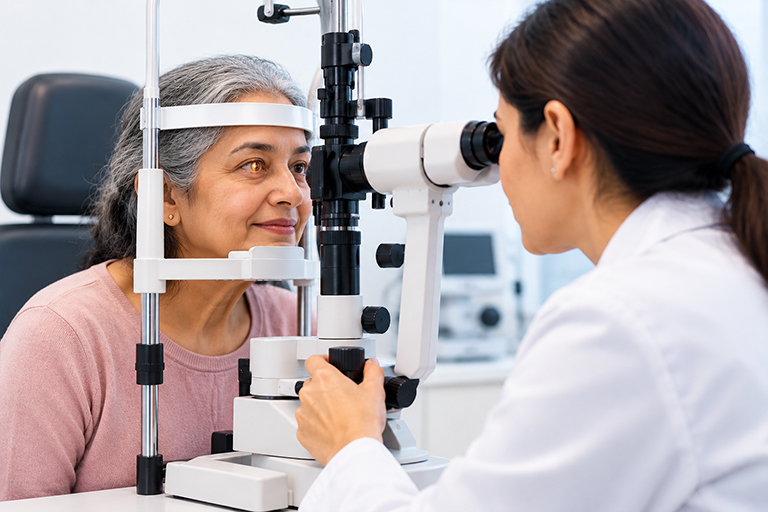
- Retinal Examination – The optometrist carefully examines the retina and other structures at the back of the eye for signs of diabetic changes. Dilating drops may be used to provide a more complete view of the retina, including areas beyond the central region captured by some scans.
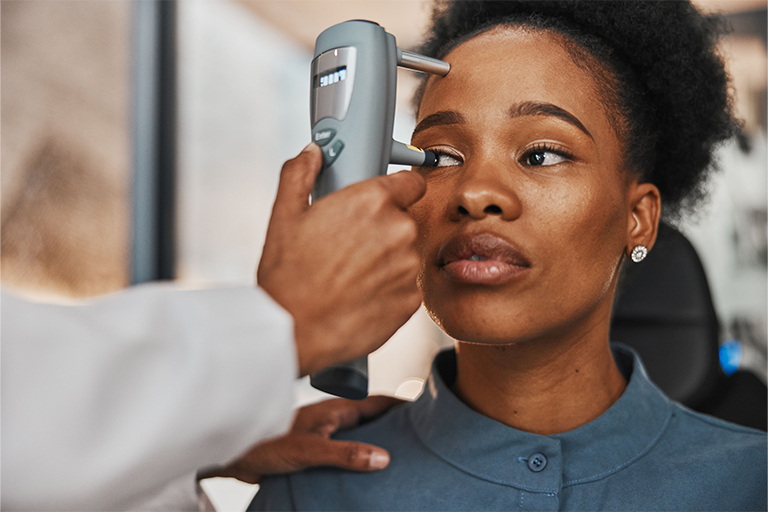
- Eye Pressure Testing – Measuring intraocular pressure can help assess your risk for glaucoma and monitor overall eye health.
- Retinal Imaging – Retinal photography may be used to capture detailed images of the back of the eye. These images can provide a useful record for comparison during future examinations.
- OCT Imaging – When appropriate, Optical Coherence Tomography (OCT) provides detailed cross-sectional images of the retina. These scans help us look for retinal thickening and fluid associated with diabetic macular edema and compare these findings over time.
- OCT-A Imaging – OCT angiography (OCT-A) adds a view of the small blood vessel networks within the retina. It detects motion from blood cells to create detailed maps of retinal circulation without an injected contrast dye. At InVision Eye Clinic, we can use OCT-A when appropriate to investigate diabetes-related changes in these vessels alongside your examination and other imaging.
The specific tests performed during your appointment will depend on your age, medical history, eye health and individual risk factors.
How OCT-A Adds to Your Diabetic Eye Care
Diabetes can affect both the retinal tissue and the tiny vessels supplying it. OCT shows the retinal layers and any associated swelling; OCT-A adds information about the blood vessel network. Together, they can help your optometrist understand different aspects of your eye health.
For patients at InVision Eye Clinic, OCT-A can provide:
- A closer look at retinal circulation. It can help identify areas where small vessels show reduced or absent detectable blood flow, particularly around the macula, which supports detailed central vision.
- Additional insight into subtle changes. Research has identified small-vessel changes in some people with diabetes before retinopathy is apparent on a routine retinal examination. These findings require careful interpretation alongside the rest of your assessment.
- A record for future comparison. Repeat scans, when appropriate, can help us assess whether the appearance of your retinal circulation has changed.
- More information to guide your care. Findings can contribute to decisions about follow-up and whether assessment by a retinal specialist is needed.
- Imaging without a dye injection. The scan is non-invasive and does not require a needle or injected contrast dye.
Does OCT-A Replace a Dilated Eye Exam?
No. OCT-A is an additional tool within your diabetic eye assessment. It does not directly show blood vessel leakage, and scan coverage and image quality can limit what it reveals. A comprehensive retinal examination remains essential, and a specialist may recommend other tests when needed.
Your optometrist will explain whether OCT-A is useful for your particular situation and what the results mean for your care.
How Often Should You Have a Diabetic Eye Exam?
For many people with diabetes, a retinal eye examination at least once a year is recommended. Your initial examination and follow-up timing should be tailored to the type of diabetes, your medical history, and your retinal findings.
The appropriate examination schedule can vary depending on your diabetes, eye health, previous examination findings, and whether diabetic eye disease has already been identified.
If your optometrist finds signs that require closer monitoring, you may be advised to return more frequently.
Is a Diabetic Eye Exam Covered by OHIP in Ontario?
Diabetes is one of the medical conditions that can make an adult eligible for an OHIP-covered eye examination.
According to the Government of Ontario, all patients (regardless of age) are eligible for one major eye examination every 12 months, along with eligible follow-up assessments. This includes children as well as individuals 20 years of age and older.
While OHIP covers the eye exam, diagnostic testing such as OCT, retinal images, and OCT-A are not covered and are billed separately.
If you have questions about what is covered, our team can help explain the examination and any additional testing before it is performed.

Who Should Book a Diabetic Eye Exam?
You should arrange regular diabetic eye care if you have been diagnosed with:
- Type 1 diabetes
- Type 2 diabetes
- Other forms of diabetes requiring ongoing monitoring
You should continue to have your eyes examined even if:
- Your vision seems normal
- You do not wear glasses
- You have not noticed any changes in your eyesight
- Your blood sugar is currently well controlled
- You have never had diabetic eye disease
Diabetic eye disease can develop without noticeable symptoms, so waiting until you notice a problem is not recommended.
What Symptoms Should You Watch For?
Regular examinations are important even when you have no symptoms. However, contact an eye care professional promptly if you experience a noticeable change in your vision.
Possible warning signs include:
- Blurred or distorted vision
- New difficulty reading
- Sudden changes in vision
- Dark spots or areas of missing vision
- New or increasing floaters
- Flashes of light
- Difficulty seeing at night
- Changes in colour perception
- Sudden loss of vision
Sudden or significant vision changes should be assessed promptly rather than waiting for your next routine appointment.
Supporting Your Eye Health When You Have Diabetes
Your eye health is closely connected to your overall diabetes management.
In addition to attending regular eye examinations, work with your healthcare team to manage factors such as blood glucose, blood pressure and cholesterol.
Taking prescribed medications as directed, following your diabetes management plan, staying physically active and maintaining a balanced diet can all form part of a comprehensive approach to managing diabetes.
Your optometrist can monitor your eyes, while your family physician, diabetes care team or other healthcare providers can help you manage the broader aspects of your condition.
Diabetic Eye Exams in Oakville at InVision Eye Clinic
Living with diabetes means taking a proactive approach to your health, including your vision.
At InVision Eye Clinic in Oakville, we combine clinical experience, comprehensive examinations and diagnostic imaging to help you understand and monitor your eye health.
Our approach includes:
- Experienced optometrists: Our optometrists have extensive experience in managing patients with prediabetes, as well as early and late diabetic retinopathy.
- Complete Diabetic Workups: Retinal photography, OCT, and OCT-A are available when appropriate to assess visible retinal changes, retinal structure, and circulation.
- Personalized follow-up: Recommendations based on your examination findings, diabetes history, and individual risks.
- Clear explanations: Our consults include time to discuss your results, ask questions, and understand the next steps.
- Referral when needed: If findings warrant specialist assessment or treatment, we can arrange an appropriate ophthalmology referral.
Our patient-first approach means looking beyond your prescription to the long-term health of your eyes.
Whether you have recently been diagnosed with diabetes or have been managing the condition for years, regular eye care can help you stay informed about your eye health.
If you are due for your annual examination, book a diabetic eye exam in Oakville with InVision Eye Clinic.

Book a Diabetic Eye Exam in Oakville
Don’t wait for a change in your vision before checking your eye health.
If you live with diabetes, regular eye examinations can help detect changes early and provide a clearer picture of your long-term eye health.
Book your diabetic eye exam at InVision Eye Clinic in Oakville today.
Questions about diabetic eye care or OCT-A? Call 905-842-3500.
Your eyes are unique. They should be treated that way.
Patient Reviews
What Our Patients Say
EXCELLENT Based on 88 reviews
 Posted on Google

 balraj maviGreat selection of frames especially Lindberg glasses. Excellent customer service and treatment. Highly recommendedPosted on Google
 Carolyn ArthurI had a great experience with Dr. Gill! He was incredibly friendly, efficient, and took the time to clearly explain everything during my appointment. I felt well cared for and informed every step of the way. The staff were absolutely outstanding, truly 5+ stars for their professionalism, warmth, and organization. The whole visit was smooth from start to finish. Highly recommend Dr. Gill and the entire team!Posted on Google
 Micheal BrattIm in Oakville for work and one of the screws holding an arm on my glasses came out and vanished at work. A phone call and super quick vist later and I was on my way able to see again ^^ Thank you Lorie for your understanding and help!!Posted on Google
 Hale WashDr. Mandip Gill was an excellent doctor l, he was extremely helpful. I don’t think there is anywhere else I would go to get my eyes checked than this clinic. The staff was great and very helpful. Overall a 10/10 experience.Posted on Google
 M PaskStopped in as I broke a pair of sunglasses right before a trip. They were so kind and helped me fix them! Thanks for your help :)Posted on Google
 Haven SDr. Simran Gill was incredibly thorough and took her time to properly assess my needs for glasses, which I really appreciated. She explained everything in clear, easy-to-understand terms. She also provided very specific, practical next steps for managing my dry eyes. The clinic staff and eyeglasses sales team are also amazing. Highly recommend!Posted on Google
 Meetu SanghaAmazing staff and Dr Mandip Gill is an awesome gem. Jackie was super patient and nice with me. She was courteous and wonderful and kind .Posted on Google
 Marysia GonzalezI went in for a minor repair on my glasses and was assisted professionally and at no charge! Thank you so much. I will be back!Posted on Google
 Anupam RawlaDr. Gill was very kind and super prompt as I had an eye emergency (looked to be a risk) on the weekend and he took time to come in on a Sunday to examine things and give me a full diagnosis / analysis. This is amazing service! Thank you, truly appreciate this level of service!
Frequently Asked Questions About Diabetic Eye Exams
What is a diabetic eye exam?
Can diabetes affect my vision even if I feel fine?
How often should someone with diabetes have an eye exam?
Is diabetic retinopathy reversible?
Can diabetes cause blindness?
Does OHIP cover diabetic eye exams in Ontario?
What is the difference between OCT and OCT-A?
Does everyone with diabetes need OCT-A?
Not necessarily. Your optometrist will recommend it when the additional information is likely to help assess or monitor your eye health. It supplements your retinal examination and other imaging.
Does OCT-A involve an injection?
Does OCT-A involve an injection?
Is OCT-A included in my OHIP-covered examination?
What should I bring to my diabetic eye exam?
Can an optometrist detect diabetic retinopathy?
Do I need a diabetic eye exam if my diabetes is well controlled?
Book a Diabetic Eye Exam in Oakville
Don’t wait for a change in your vision before checking your eye health.
If you live with diabetes, regular eye examinations can help detect changes early and provide a clearer picture of your long-term eye health.
Book your diabetic eye exam at InVision Eye Clinic in Oakville today.
Questions about diabetic eye care or OCT-A? Call 905-842-3500.
Your eyes are unique. They should be treated that way.